Powell River Top General Contractor for Residential Construction
General Contractor: Your Essential Partner for Home Endeavors
A general contractor fulfills an crucial role in residential construction. They manage different elements of construction, ensuring that all operations proceed without issues. Their knowledge in building codes and standards allows them to navigate the complexities of licenses and inspections. This professional serves as a vital link between clients and subcontractors. However, many homeowners remain unsure about the complete range of their services. Comprehending these specifics can significantly impact the outcome of any renovation project.
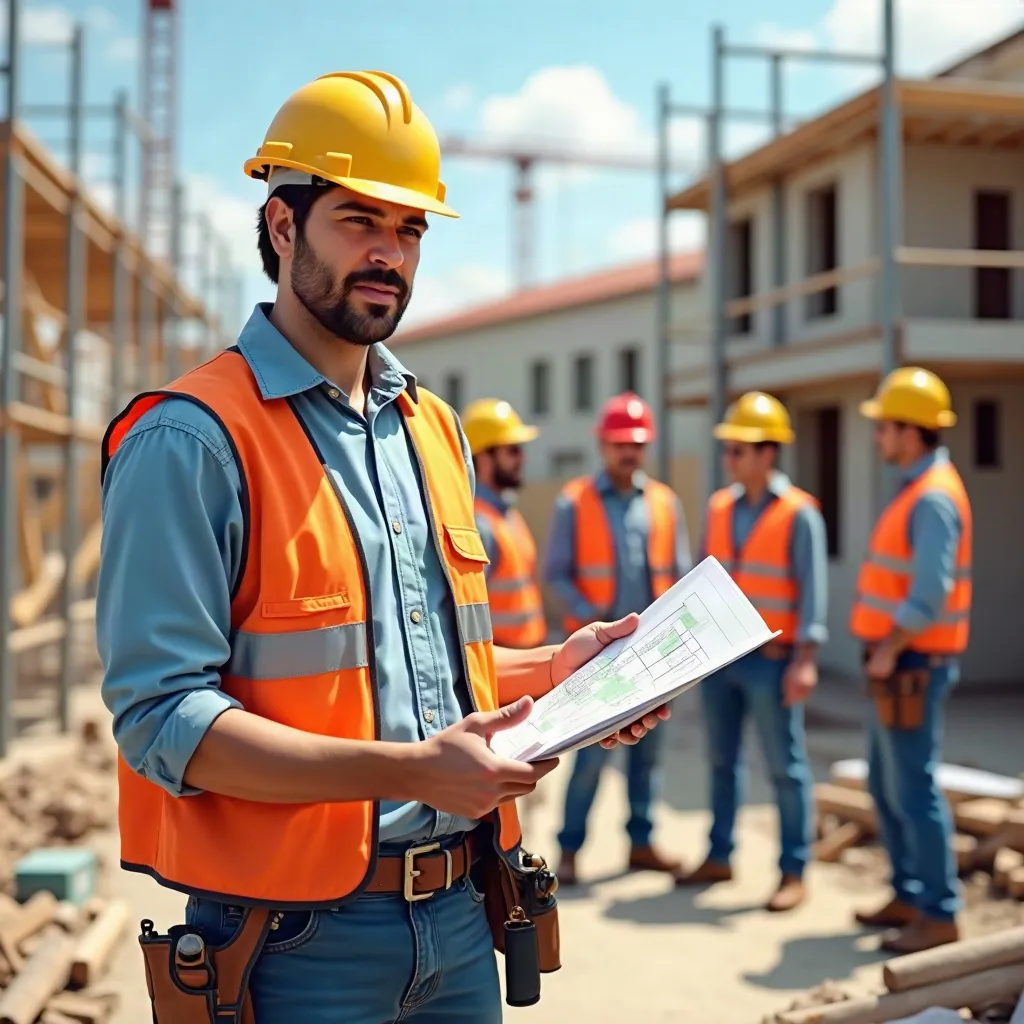
What Does a General Contractor Handle?
A construction manager orchestrates the different components of a construction project, ensuring that everything runs smoothly from beginning to end. They function as the main liaison, managing correspondence between clients, specialized contractors, and vendors. This position includes planning the construction schedule, organizing workforce, and maintaining compliance with local building codes and requirements.
General contractors are in charge of acquiring required licenses and arranging inspections, which are vital for upholding safety and quality benchmarks. They also manage budgeting, sourcing materials, and managing on-site activities to mitigate any potential delays or issues. In addition, they oversee subcontractors, ensuring that each phase of construction conforms to project specifications and timelines. Overall, a general contractor's expertise and organizational skills are crucial for completing a successful construction project, turning a client's vision into reality while balancing multiple tasks and responsibilities.
Advantages of Choosing a General Contractor for Home Renovation Projects
Bringing on a a general contractor for home renovations offers numerous benefits that can substantially enhance the quality and efficiency of the renovation. Experienced contractors bring knowledge in project management, guaranteeing deadlines are honored and resources are allocated effectively. Their strong relationships with subcontractors can produce better pricing and superior workmanship, which in the end saves homeowners money and time.
Additionally, construction professionals manage the detailed aspects of documentation and quality checks, minimizing likely regulatory complications. They also provide a single point of contact, streamlining communication and coordination among assorted contractors. This efficiency reduces the risk of miscommunications and interruptions.
In addition, their experience enables them to recognize potential challenges, allowing proactive solutions to maintain the project on track. By hiring a general contractor, homeowners can focus on their vision while savoring peace of mind, knowing that a professional is overseeing every aspect of the renovation.
Refuting Common Myths About General Contractors
Although many homeowners may have misunderstandings about general contractors, grasping the facts can lead to more wise decisions. A widespread myth is that hiring a general contractor is not essential for minor projects; still, their proficiency can streamline even minor renovations, ensuring compliance with local codes. Another typical belief is that general contractors are just middlemen, but they often have extensive knowledge in different fields, allowing them to direct projects smoothly. Moreover, some clients assume that working with a contractor will significantly increase costs. In reality, a experienced general contractor can often obtain better deals for materials and labor through long-standing relationships with suppliers and subcontractors. Lastly, many think that contractors are inflexible, but reliable contractors focus on client communication and work closely to satisfy particular needs. Dispelling myths can empower clients to evidence harness the actual value of general contractors when completing positive home projects.
Selecting the Right General Contractor?
How can homeowners ensure they select the ideal general contractor for their undertakings? The process begins with thorough research. Homeowners should obtain recommendations from friends, family, and online reviews to identify qualified contractors. Once a list is compiled, verifying qualifications, such as licensing, bonding, and insurance, is essential to verify credibility.
Next, homeowners should ask for and examine collections of previous work, concentrating on assignments of comparable size. Setting up interviews allows property owners to gauge compatibility, covering schedules, costs, and requirements. It's also recommended to get several estimates for evaluation, providing a clear understanding of expenses.
Reviewing references gives perspective on a contractor's reliability and professionalism. Finally, following your intuition is essential; an initial meeting can uncover a contractor's communication style and approach. By implementing these procedures, homeowners can substantially improve their likelihood of picking a general contractor who aligns with their project needs and vision.
Best Interaction Solutions When Working With Your General Contractor
How can homeowners apply techniques to secure strong exchanges with their general contractor? Establishing open dialogue from the commencement is critical. Homeowners must clearly express their expectations, project objectives, and spending restrictions during preliminary talks. Regular communications can be enabled through planned meetings, ensuring that both parties stay in sync throughout the project.
Using documented records, such as emails or project logs, helps strengthen verbal agreements and minimizes confusion. Homeowners should also encourage transparent communication by inviting input and inquiries from the contractor, creating a cooperative atmosphere.
Furthermore, taking advantage of technology, such as project management apps, can ease team dialogue by establishing a centralized platform for relaying updates, timelines, and changes. Finally, maintaining politeness and openness can strengthen rapport, allowing for it to be more straightforward for the contractor to raise challenges or suggestions in a meaningful way. By putting into practice these techniques, homeowners can establish a fruitful and transparent connection with their general contractor.
What to Prepare For When Your Undertaking Launches?
Once the initiative kicks off, homeowners can prepare for a flurry of operations on-site. The general contractor will coordinate teams of skilled tradespeople, including electricians, plumbers, and carpenters, who will start their duties following the established timeline. Homeowners may notice construction equipment and supplies being moved in, creating a energetic atmosphere.
Keeping communication is critical during this phase. The contractor will supply progress reports on progress and address any worries that develop. Homeowners should prepare for possible disruptions, such as noise and reduced availability to certain areas of the home.
Safety precautions will be in place to shield both workers and residents, providing a secure atmosphere. Additionally, homeowners may be urged to keep flexibility, as unanticipated challenges can arise, necessitating adjustments to the original plan. Overall, this initial phase establishes the foundation for the successful completion of the project, and active involvement is essential.
Vital Questions for Your General Contractor Arrangement?
Selecting the proper questions to raise when finalizing a general contractor agreement is vital for confirming a problem-free project. Homeowners should inquire about the contractor's permit and protection to establish their qualifications and protection against obligations. Understanding the project timeline and stages is essential; therefore, asking about estimated completion dates helps establish expectations.
It is also vital to outline financial conditions, encompassing initial payments and installment plans, to avert miscommunications. Residents should obtain a thorough accounting of costs, embracing materials and labor, to assure transparency. In addition, talking through the process for dealing with adjustments or unforeseen issues can circumvent conflicts afterwards.
Lastly, homeowners should seek information about subcontractors and their qualifications, as well as the communication approach of the contractor throughout the project. By tackling these inquiries, homeowners can foster a productive relationship with their general contractor, ultimately leading to a successful home project.
Often Asked FAQs
How Do General Contractors Bill for Their Services?
Contractors generally collect fees via flat fees, time-based rates, or a share of the complete project budget. Their rates may additionally encompass materials, labor, and overhead, relative to the project's complexity and scope.
Can a General Contractor Help With Licenses and Assessments?
Yes, a construction contractor can help with securing permits and overseeing inspections. They typically work with local codes and confirm compliance, making it easier for homeowners while enabling necessary approvals throughout the construction undertaking.
What Skills Should I Seek in a General Contractor?
When selecting a building contractor, one should examine qualifications such as appropriate licensing, insurance, experience in relevant projects, quality references, and effective communication skills, ensuring they possess the necessary expertise to direct the project successfully.
How long Does a Standard Home Renovation Project Require?
A ordinary home remodeling job can span anywhere from a few weeks to several months, contingent upon the scope, difficulty, and size of the project, as well as the availability of materials and labor.
What Transpires if My Project Exceeds Financial Limits?
If a project exceeds the budget, the contractor usually talks through the reasons and options with the property owner. Adjustments may include scaling back, seeking additional funding, or revising the project scope to align with budget constraints.